
The safest way to learn how to clean Calphalon cookware is to let it cool, wash it by hand with warm water and mild dish soap, and use a soft sponge. Avoid steel wool, harsh scouring powders, oven cleaner, and sudden temperature changes. Always check the care guide for your exact Calphalon line, because nonstick, stainless steel, ceramic, and hard-anodized pans have different limits.
This guide is for Calphalon cookware used in U.S. kitchens, including pans with burnt food, grease, stains, and stuck-on residue.

Identify Your Calphalon Cookware Before Cleaning
The material determines which cleaners and tools are safe. Look at the cooking surface, product packaging, or the model information on the pan or its original care guide.
| Calphalon type | Common surface | Safest routine | Main warning |
|---|---|---|---|
| Nonstick | Smooth dark coating | Hand wash with mild soap and a soft sponge | Do not scratch or use metal tools |
| Ceramic nonstick | Smooth ceramic coating | Hand wash with mild soap and a soft sponge | Avoid abrasive cleaners and high heat |
| Stainless steel | Shiny silver metal | Soap, soft scrub pad, or approved stainless cleaner | Stuck food may need soaking |
| Hard-anodized aluminum | Dark, dense aluminum | Mild soap and a soft sponge | Dishwasher use depends on the model |
| Cast iron or enamel | Heavy iron body | Follow the line-specific care guide | Cleaning rules differ from coated pans |
Calphalon sells several cookware lines. “Calphalon” alone does not tell you whether a pan is dishwasher safe or safe for abrasive cleaning.
How to tell if a pan is nonstick
A nonstick pan has a smooth, dark cooking surface. Food should release with little oil when the coating is in good condition. Never use a metal scrubber on this surface, even if residue feels difficult to remove.
How to tell if a pan is stainless steel
Stainless steel has a silver cooking surface without a dark coating. It can usually handle more scrubbing than nonstick cookware, but rough tools can still leave marks.
Why the care guide matters
Manufacturers can change materials and care instructions between product lines. Some newer Calphalon products may list dishwasher-safe use, while other models require hand washing. If the label, manual, and general advice conflict, follow the instructions for the exact model.

How to Clean Calphalon Nonstick Cookware
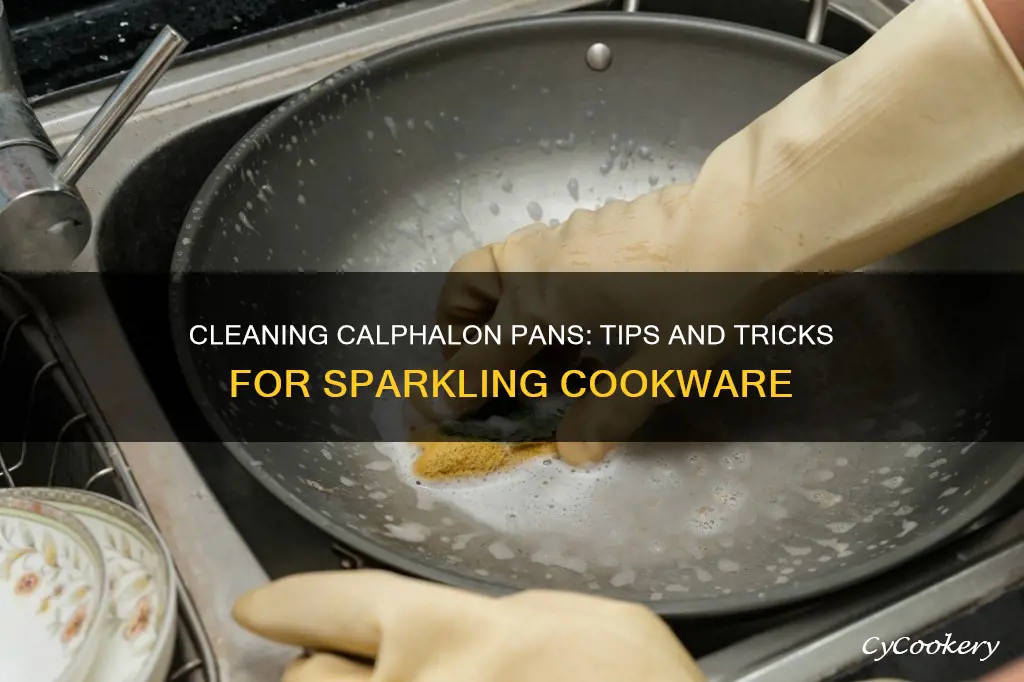
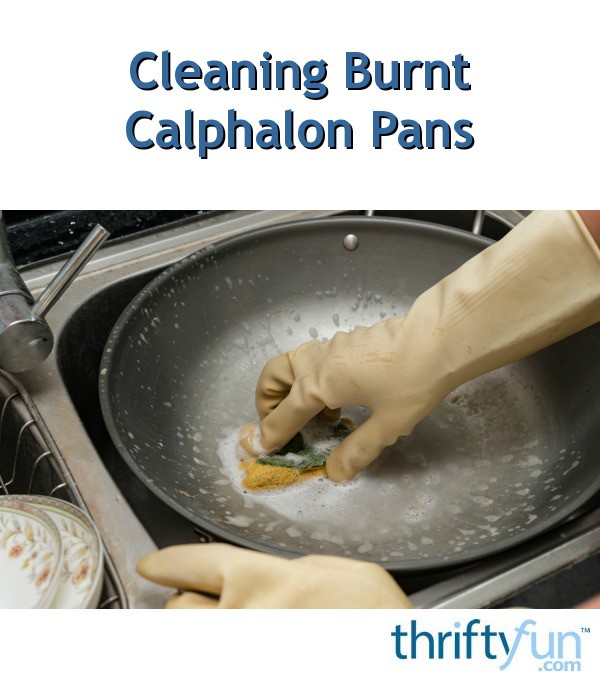
Clean Calphalon nonstick cookware by hand after it has cooled. Use warm water, a small amount of mild dish soap, and a soft sponge or nylon pad.
Regular cleaning method
Let the pan cool completely.
Do not place a hot pan under cold water. A rapid temperature change can warp the pan.Remove loose food.
Wipe out oil and crumbs with a paper towel or soft cloth.Add warm water and mild dish soap.
Fill the pan enough to cover stuck food. Avoid strong degreasers unless the care guide allows them.Soak the pan.
Ten to 20 minutes is often enough for ordinary residue.Wipe with a soft sponge.
Use light pressure. The coating should not need hard scraping.Rinse well.
Soap left on the surface can affect taste and leave a dull film.Dry the pan at once.
Use a clean towel or place it on a rack to air-dry.
Do not use steel wool, metal scouring pads, powdered cleanser, or a knife to lift food from a nonstick pan. These tools can scratch the coating and shorten the pan’s useful life.
For stuck-on food
If soaking does not work, cover the food with water and add a few drops of dish soap. Warm the pan on low heat for a few minutes, then turn off the burner and let the water cool before wiping the pan clean.
Never leave an empty nonstick pan over high heat. High heat can damage the coating and may cause smoke.
For greasy buildup
Apply warm, soapy water with a soft sponge. If grease remains, repeat the process rather than using a rough scrubber. A second gentle wash is safer than one aggressive scrub.
Do not use cooking spray as a substitute for cleaning. Some sprays can leave a sticky film when repeatedly heated.
How to Clean Calphalon Stainless Steel Cookware
Stainless steel Calphalon cookware can handle more vigorous cleaning than nonstick cookware, but it still benefits from soaking and mild products.
Basic stainless steel cleaning
- Let the pan cool.
- Remove loose oil and food.
- Add warm water and dish soap.
- Soak for 10 to 30 minutes.
- Scrub with a soft sponge or nonmetal nylon pad.
- Rinse and dry completely.
Drying matters because water spots can form as minerals remain on the surface.
How to remove browned or burnt food
For food that is firmly stuck, add enough water to cover the affected area. Add a small amount of dish soap and simmer the water on low heat for several minutes.
Turn off the burner. Once the pan is safe to handle, loosen the softened food with a wooden, silicone, or nylon utensil.
For stainless steel only, you can make a gentle paste from baking soda and water. Apply it to the stain, rub lightly with a soft sponge, then rinse well. Do not use this paste on a nonstick or ceramic cooking surface unless Calphalon specifically permits it.
How to remove rainbow or cloudy stains
Stainless steel may develop blue, purple, white, or cloudy marks from heat and minerals in water. These marks usually affect appearance, not cooking performance.
Try this method:
- Add a small amount of white vinegar to the cool pan.
- Wipe the surface with a soft cloth or sponge.
- Rinse with water.
- Dry immediately.
Do not mix vinegar with bleach or other cleaning chemicals. Never combine cleaning products unless the label clearly says they are compatible.

How to Clean Calphalon Hard-Anodized Aluminum Cookware
Hard-anodized aluminum cookware has a dark, treated surface. It is tougher than untreated aluminum, but it should still be cleaned with mild soap and soft tools.
Wash it by hand unless the care instructions for your exact model clearly allow dishwasher use. Strong dishwasher detergents can dull the exterior or affect the finish on some hard-anodized pans.
Use this routine:
- Cool the pan before washing.
- Remove oil with a paper towel.
- Wash with warm water and mild dish soap.
- Use a soft sponge or nylon brush.
- Rinse away all soap.
- Dry the pan before storing it.
Avoid abrasive powder, steel wool, oven cleaner, and harsh alkaline products. These cleaners may leave permanent marks or change the appearance of the anodized finish.
If food is stuck, soak the pan first. Do not assume that a dark hard-anodized surface can be scrubbed like stainless steel.

How to Clean Calphalon Ceramic Cookware
Ceramic cookware should be treated gently. Its smooth surface can lose performance when scratched, overheated, or covered with baked-on oil.
Wash ceramic Calphalon pans by hand with warm water, mild dish soap, and a soft sponge. Avoid metal utensils, abrasive pads, powdered cleaners, and harsh degreasers.
For stuck food, soak the pan before wiping it. If needed, use a soft nylon pad with very light pressure. Do not scrape with a knife or fork.
Ceramic cookware can also develop a brown film from oil heated beyond its smoke point. This film may need several gentle cleaning cycles. Strong scrubbing can damage the surface more than the stain itself, so repeat mild cleaning instead.

How to Remove Burnt Food From Calphalon Cookware
The safest method depends on the cooking surface.
Nonstick or ceramic cookware
- Let the pan cool.
- Cover the burnt food with warm water.
- Add a few drops of mild dish soap.
- Soak for 20 to 30 minutes.
- Wipe with a soft sponge.
- Repeat if needed.
For difficult residue, warm the soapy water on low heat for a few minutes. Do not boil the pan dry.
Stainless steel cookware
- Cover the residue with water.
- Add dish soap.
- Simmer gently for several minutes.
- Turn off the heat.
- Loosen food with a wooden or nylon utensil.
- Wash and dry the pan.
A baking soda paste can help with stainless steel after the pan has cooled. Use only light pressure.
If the pan has black soot on the outside
Soot can come from a gas burner, spilled food, or a flame that is too large for the pan. Let the pan cool, then wash the exterior with warm soapy water.
For stainless steel, a suitable stainless steel cleaner may help. For nonstick or hard-anodized cookware, use only products approved for that finish. Keep cleaner away from the cooking surface unless the product label says it is safe there.

Can You Put Calphalon Cookware in the Dishwasher?
Some Calphalon cookware is labeled dishwasher safe, but dishwasher use is not suitable for every Calphalon pan. Check the care instructions for the exact line and model before using a dishwasher.
Even when dishwasher use is allowed, hand washing is often gentler for nonstick finishes and exterior coatings. Dishwasher detergent, heat, water pressure, and contact with other dishes can gradually dull surfaces or increase wear.
Use these rules:
- Nonstick: Hand washing is the cautious choice unless the model says dishwasher safe.
- Ceramic: Follow the product instructions; hand washing usually gives better finish care.
- Stainless steel: Many stainless pans tolerate dishwashers, but hand washing helps limit spots and discoloration.
- Hard-anodized aluminum: Do not assume dishwasher safety. Check the label or manual.
- Lids and handles: Confirm whether each separate part has its own care limit.
Never place a hot pan in the dishwasher. Let it cool first.

How to Clean the Outside, Bottom, and Handles
Clean the outside of a Calphalon pan with warm water, mild dish soap, and a soft sponge. Wipe spills soon after cooking so oil does not bake onto the exterior.
For a stainless steel exterior, a cleaner made for stainless steel may be useful. Follow the product label and rub in the direction of the metal grain when one is visible.
For a coated, dark, or anodized exterior, avoid strong chemicals and abrasive tools. A dull mark may be permanent finish damage rather than removable dirt.
Clean handles with a damp, soapy cloth. Do not soak a handle unless the product instructions allow it. Water can collect around screws, joints, or attachment points.
Dry the entire pan before storing it. If pans nest together, place a soft cloth or pan protector between them to reduce scratches.

Cleaning Mistakes That Can Damage Calphalon Cookware
The most common mistake is using too much force on a surface that only needs soaking.
Avoid these practices:
- Washing a hot pan under cold water
- Using steel wool on any coated surface
- Scraping nonstick food with a knife
- Spraying oven cleaner on the pan
- Using bleach or mixed chemicals
- Applying abrasive powder to nonstick or ceramic cookware
- Heating a pan empty for a long time
- Stacking pans without protection
- Putting an unapproved pan in the dishwasher
- Continuing to use a pan with peeling or badly damaged coating
A few stains are cosmetic. A damaged cooking surface is different. If the coating is peeling, flaking, or coming off into food, stop using the pan and contact Calphalon or replace it. Cleaning cannot restore a damaged nonstick coating.

What to Do When Cleaning Does Not Work
First, identify whether the problem is food, oil film, mineral scale, or surface damage.
| Symptom | Likely cause | Safer next step |
|---|---|---|
| Sticky brown film | Repeatedly heated oil or cooking spray | Repeat gentle washing; avoid abrasive scrubbing |
| White cloudy marks | Hard-water minerals or detergent residue | Rinse well; use diluted vinegar only on compatible surfaces |
| Black food residue | Burnt food | Soak or simmer soapy water, based on the material |
| Scratches | Metal tools or abrasive cleaners | Stop abrasive cleaning; assess coating condition |
| Peeling coating | Surface wear or damage | Stop using the pan and seek manufacturer guidance |
| Water spots | Minerals left after washing | Dry immediately after rinsing |
If a stain remains but the surface is smooth, intact, and odor-free, it may be cosmetic. If the cooking surface feels rough, flakes, bubbles, or changes texture, do not try to polish it away.
For model-specific questions, use the product number or name from the pan, packaging, receipt, or original manual when contacting Calphalon support.

How to Keep Calphalon Cookware Clean Longer
A few habits reduce heavy scrubbing:
- Use low or medium heat for most nonstick cooking.
- Add oil or food before heating an empty coated pan.
- Use wood, silicone, or nylon utensils.
- Wipe oil from the pan after cooking.
- Soak residue soon instead of letting it harden overnight.
- Dry cookware before nesting or storing it.
- Use the burner size that best matches the pan.
- Avoid cooking sprays if they leave a repeated sticky film.
- Keep nonstick cookware away from sharp utensils and rough sink surfaces.
Good care is less about a powerful cleaner and more about preventing residue from becoming hard and baked on.
Frequently Asked Questions
Can I use Bar Keepers Friend on Calphalon cookware?
Use it only if the product instructions for your exact Calphalon cookware allow it and only on a compatible stainless steel surface. Do not use abrasive stainless steel cleaners on nonstick, ceramic, or coated surfaces unless Calphalon specifically approves them.
Can I use baking soda to clean a Calphalon pan?
Baking soda may help clean stainless steel. Use a mild paste and light pressure. Avoid treating nonstick or ceramic coatings as if they were bare metal.
Why is my Calphalon pan sticky after washing?
A sticky surface often comes from heated oil, cooking spray, or soap residue. Wash it again with warm water and mild dish soap. If the surface remains sticky after gentle cleaning, do not use a harsh scrubber on a coated pan.
Can I use a magic eraser on Calphalon cookware?
A melamine sponge is mildly abrasive. It may scratch or dull a coating, so avoid it on nonstick, ceramic, anodized, or painted surfaces. It is safer to use a soft sponge and a cleaner approved for the material.
How often should I deep-clean Calphalon cookware?
Clean the pan after every use. Deep cleaning is needed only when normal washing leaves burnt food, grease film, or mineral marks. Use the least aggressive method that removes the problem.
Conclusion
To clean Calphalon cookware safely, cool the pan first, soak stuck food, and use mild soap with a soft sponge. Treat nonstick, ceramic, and hard-anodized surfaces gently. Stainless steel allows more cleaning options, but harsh chemicals and rough tools are still unnecessary.
The best next step is to identify your exact Calphalon cookware line and check its care instructions before using a dishwasher, abrasive cleaner, or stain remover.
Pingback: How to Use Stainless Steel Cookware: Easy Guide 2026