
Use warm, soapy water and a soft nonabrasive sponge for routine cleaning. For stuck-on food, soak the pan in hot water, then simmer water with baking soda or use a gentle powdered cleaner (test first). Avoid steel wool, oven cleaners, and the dishwasher. Dry and store promptly to prevent spotting.
This guide is written for readers in the United States and explains how to clean Magnalite cookware using practical, safe methods and common household cleaning supplies and tools. It covers what Magnalite cookware is, provides a clear step-by-step cleaning routine, addresses common stains and discoloration with helpful solutions, and explains how to maintain your cookware. You will also learn how to identify damage and decide when a pan may be beyond repair.

What is Magnalite cookware? (Quick definition and why it matters)
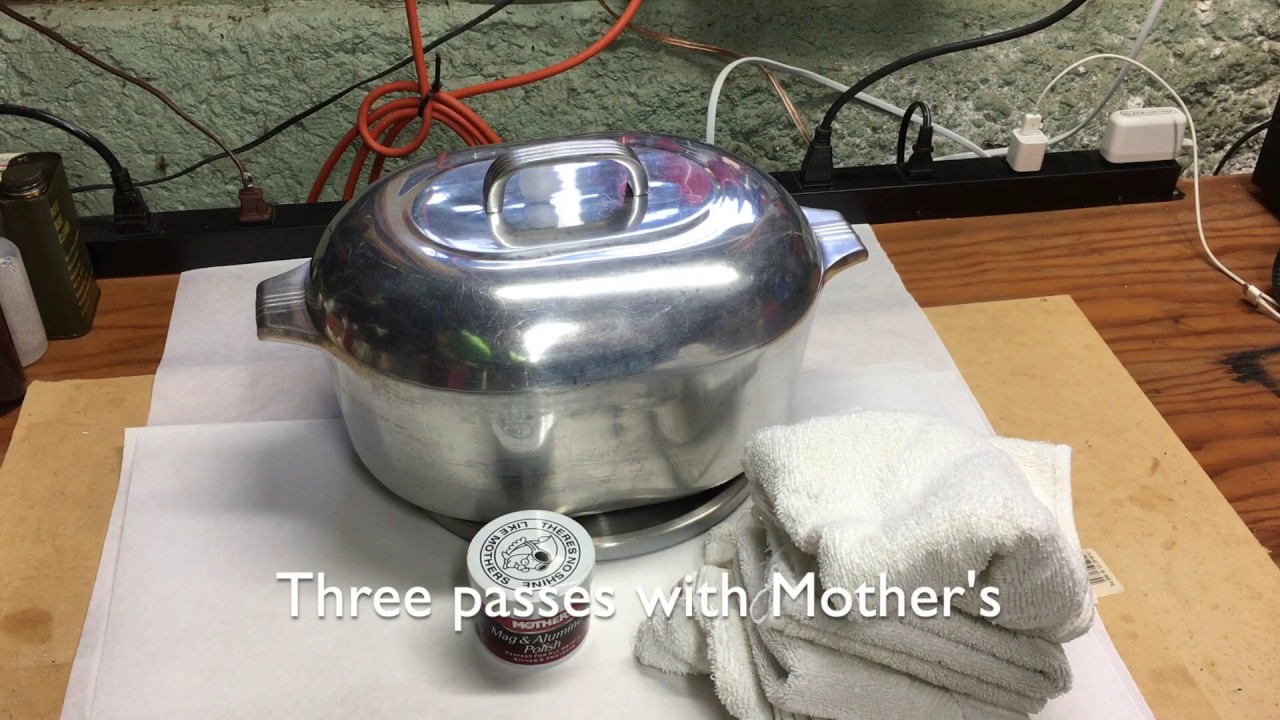
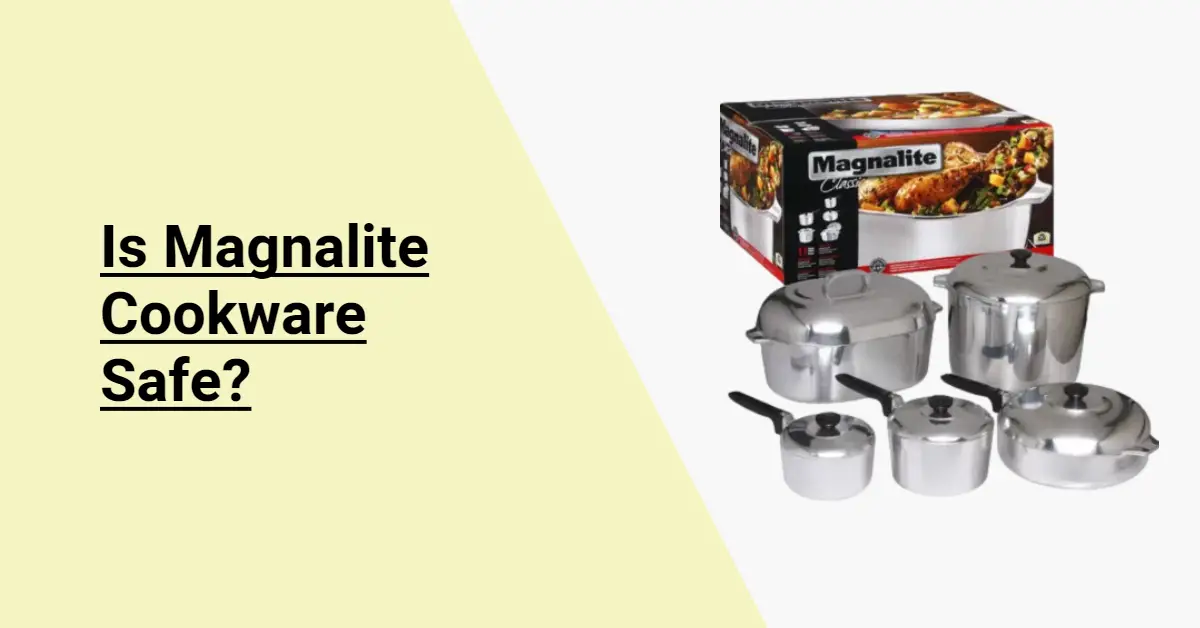
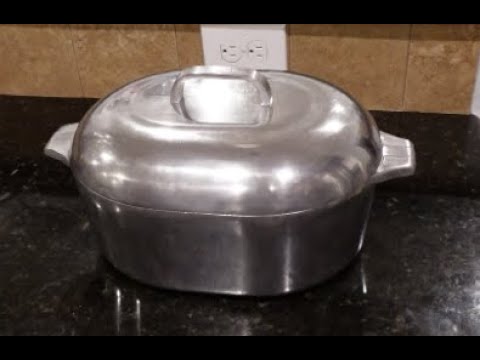
Magnalite is a line of heavy, cast aluminum cookware originally made and widely used in the United States. Its pans heat evenly and last a long time when cared for properly. Many pieces are uncoated cast aluminum with polished interiors; some later models or restored pieces have surface treatments. That matters because cleaning methods differ for bare aluminum versus coated or anodized finishes.
If the cookware is vintage, assume bare cast aluminum unless you know it’s been relined or coated. Treat coated surfaces gently to avoid damaging the finish.
What you’ll need (Prerequisites — materials and safety)
Answer: Gather mild cleaners, nonabrasive tools, and personal protection.
- Warm water (tap water is fine)
- Mild dish soap (dawn-style detergent)
- Nonabrasive sponge or soft nylon scrub pad
- Wooden or silicone spatula (for scraping)
- Baking soda (sodium bicarbonate)
- White vinegar (for mineral film only, short contact)
- Powdered non-chlorine cleaner (for aluminum; test first)
- Gloves (optional, if you have sensitive skin)
- Soft cloth or towel for drying
Safety note: Use gloves when working with powdered cleaners or if you have sensitive skin. Work in a well-ventilated kitchen when using cleaners. Do not mix cleaners (for example, bleach and ammonia) — that creates hazardous gases.

Step-by-step cleaning guide (Main method)
Answer: Start with simple cleaning; escalate only if needed.
Routine wash (daily use)
- Rinse the pan with warm water.
- Add a small amount of mild dish soap.
- Wash with a soft sponge, using circular motions.
- Rinse thoroughly and dry immediately with a towel.
Stuck-on food (short soak + gentle scraping)
- Fill the pan with hot tap water to cover the stuck area.
- Add a few drops of dish soap and let soak 15–30 minutes.
- Use a wooden or silicone spatula to lift softened food.
- Finish with a soft scrub and rinse; dry.
Burnt-on food or carbonized residue (baking-soda simmer)
- Remove loose debris.
- Add enough water to cover the affected area and bring to a low boil.
- Stir in 1–2 tablespoons baking soda per quart of water.
- Let simmer 10–15 minutes; cool slightly.
- Pour out water and scrub with a nonabrasive pad.
- Repeat if needed; rinse and dry.
stubborn stains or dull oxidation (powdered cleaner, test first)
- Make a paste of a small amount of powdered aluminum cleaner (or baking soda) and water.
- Test the paste on an inconspicuous spot for 1–2 minutes.
- If no adverse effect, apply paste and rub gently with a soft pad.
- Rinse thoroughly and dry.
White film or mineral deposits (short vinegar rinse)
- If you see a chalky white film (often from hard water), rinse the pan with a 1:1 mix of white vinegar and water for 2–5 minutes.
- Rinse immediately with lots of water and dry.
- Do not leave vinegar on bare aluminum for long periods — acid can etch if left too long.
Final steps
- Always dry immediately to reduce water marks.
- Store in a dry place with airflow.
Signs of success: the pan looks clean, no residue when rubbed lightly, and no metallic taste when cooking (for food-contact tests, cook a simple water-based food and taste carefully).
Troubleshooting common problems (Symptoms, causes, and fixes)
Answer: Match the symptom to the most useful, safe fix.
Symptom: White, chalky film
- Cause: Hard water minerals or aluminum oxidation.
- Fix: Short vinegar rinse (1:1), rinse and dry. If persistent, scrub gently with baking soda paste.
Symptom: Black carbon or burnt-on food
- Cause: High heat or long cooking without liquid.
- Fix: Soak, then simmer with baking soda as above. Use wooden scraper. For very heavy carbon, repeat the simmer and soak cycle.
Symptom: Discolored or dull surface (grayish)
- Cause: Surface oxidation or cookware aged.
- Fix: Mild abrasive cleaner (test first) or baking soda paste. If the finish remains dull but is structurally sound, it’s cosmetic.
Symptom: Pitting, deep corrosion, or flaking
- Cause: Long-term chemical damage or incompatible cleaners.
- Fix: If pitting is deep or food contact is affected, stop using for food. Consider professional restoration or retire the pan.
Symptom: Metallic taste when cooking acidic foods
- Cause: Bare aluminum reacting with acid.
- Fix: Avoid cooking long-simmer acidic dishes (tomato, vinegar) in uncoated aluminum. Use a lined or different pan for such recipes.
If a symptom does not improve after the recommended safe steps, the pan may be irreversibly damaged. For pans of sentimental or high monetary value, consult a cookware restorer before further action.

Preventive care and maintenance (How to keep Magnalite clean long-term)
Answer: Clean promptly, avoid harsh treatments, and store dry.
- Wash after every use. Quick cleaning prevents buildup.
- Avoid the dishwasher. The dishwasher’s detergent and high heat can dull aluminum and damage any finish.
- Use wooden, silicone, or nylon utensils to prevent scratching.
- Do not use oven cleaner, lye-based cleaners, or scouring pads with steel wool.
- Dry immediately to prevent water spots.
- Periodically polish with a vetted aluminum cleaner or baking soda paste to restore shine. Always test first.
Decision guide (which method to choose)
- Light residue: dish soap + soft sponge.
- Stuck-on food: soak, scrape with wood, then wash.
- Burnt carbon: simmer water + baking soda.
- Mineral film: short vinegar rinse, then rinse well.
- Heavy oxidation or cosmetic dulling: tested mild powdered cleaner.
Common mistakes and safety boundaries
Answer: The most harmful mistakes are avoidable.
- Using steel wool or metal scouring pads — will scratch and can accelerate corrosion.
- Running vintage bare aluminum in the dishwasher — often causes dulling, spotting, or etching.
- Leaving acidic solutions (vinegar, lemon) on bare aluminum for long periods.
- Mixing cleaning chemicals — this can create toxic gases.
- Using oven cleaner or strong alkali products on aluminum — these can eat the metal.
Safety boundary: If cookware shows deep pitting, structural cracks, or flaking into food, stop using it for food preparation and replace or have it professionally assessed.

Next questions and gap map (what readers usually ask next and where to find answers)
Answer: Readers then ask about dishwasher safety, restoration, and whether aluminum is safe for acidic foods.
Question: Is Magnalite dishwasher safe?
- Stage: After buying/using pan.
- Basis: Observed People-Ask and product Q&A.
- Competitor coverage: Often stated as “not recommended” but without reasons.
- Benefit: Prevents damage.
- Evidence: Detergent alkalinity and high heat can dull aluminum finishes.
- Priority: High — add brief why and alternatives (hand wash).
- Placement: Covered in Preventive care.
Question: How to restore shine on a very dull vintage pan?
- Stage: After cleaning fails to restore appearance.
- Basis: Forum discussions and restoration guides.
- Competitor coverage: Shallow — few safe step-by-step restoration tips.
- Benefit: Helps decide whether to DIY or seek pro service.
- Evidence: Safe polishing requires tested cleaners and care.
- Priority: Medium — included troubleshooting and maintenance.
Question: Can I safely cook tomato sauce in Magnalite?
- Stage: Cooking choice.
- Basis: User reports and general aluminum chemistry.
- Competitor coverage: Mixed or absent.
- Benefit: Avoids metallic flavors.
- Evidence: Acid reacts with uncoated aluminum; use lined pans for long-simmering acidic food.
- Priority: High — included under Troubleshooting.
Question: What cleaner brands are safe?
- Stage: Purchasing supplies.
- Basis: Product labels and user reports.
- Competitor coverage: Often brand lists without testing.
- Benefit: Prevents damage.
- Evidence: Recommend testing and following product labels.
- Priority: Low to Medium — advise testing rather than endorsing brands.
- Placement: Mention in Step-by-step and Maintenance.
If you need a separate restoration guide or help identifying whether a specific Magnalite piece is coated, I can draft a targeted checklist.

FAQs (useful unresolved questions)
Q: Can I use Bar Keepers Friend or similar cleaners on Magnalite?
A: Many people use oxalic-acid cleaners like Bar Keepers Friend on aluminum, but always test a small area first. Follow the product instructions and rinse thoroughly.
Q: Is it safe to cook acidic foods in Magnalite?
A: Short cooking of acidic foods is usually fine, but long-simmer acidic dishes can react with bare aluminum and cause metallic taste. Use coated or stainless cookware for long acidic simmering.
Q: Will cleaning remove the original finish on vintage Magnalite?
A: Aggressive cleaners and scrubbing can remove polish or thin coatings. Start with the mildest method and test any stronger cleaner in a hidden spot.
Q: How often should I polish Magnalite?
A: Polishing is cosmetic. Do it as needed when the pan looks dull—once or twice a year for regular users is common. Frequent polishing is not required for performance.
Q: Can I season Magnalite like cast iron?
A: Seasoning is mainly for porous iron surfaces. Bare cast aluminum does not hold a seasoning layer the same way. A thin oil wipe after cleaning can help prevent spotting but will not substitute for proper seasoning.
Key takeaways and next action
- Start with the gentlest cleaning: warm water, mild soap, soft sponge.
- Escalate: soak → simmer with baking soda → tested mild powdered cleaner.
- Avoid steel wool, oven cleaners, and the dishwasher.
- Dry immediately and store in a dry place.
- If you see deep pitting, stop using the pan for food and consider repair or replacement.
Next action: Try the routine soak and baking-soda simmer on the worst-stained pan. If you want, tell me the exact symptom (photo description or text) and I’ll give a short, targeted plan for that problem.