
To learn how to use DeLonghi espresso machine, start by filling the water tank, preheating the machine, and using fresh, properly ground coffee. Dose and tamp the coffee evenly, lock the portafilter into place, and pull a shot for about 25–30 seconds, adjusting to your model and taste. For milk-based drinks, purge and steam the wand until the milk reaches approximately 140–150°F (60–65°C). Clean the wand and portafilter after use.
In the United States, most DeLonghi home espresso machines are designed for 120V household power and fit typical countertop kitchens. Water quality and access to filtered water can affect coffee taste and machine maintenance. Always check your specific model’s user manual for operating instructions, features, and safety warnings before getting started.

How to Use DeLonghi Espresso Machine: Understanding the Basics
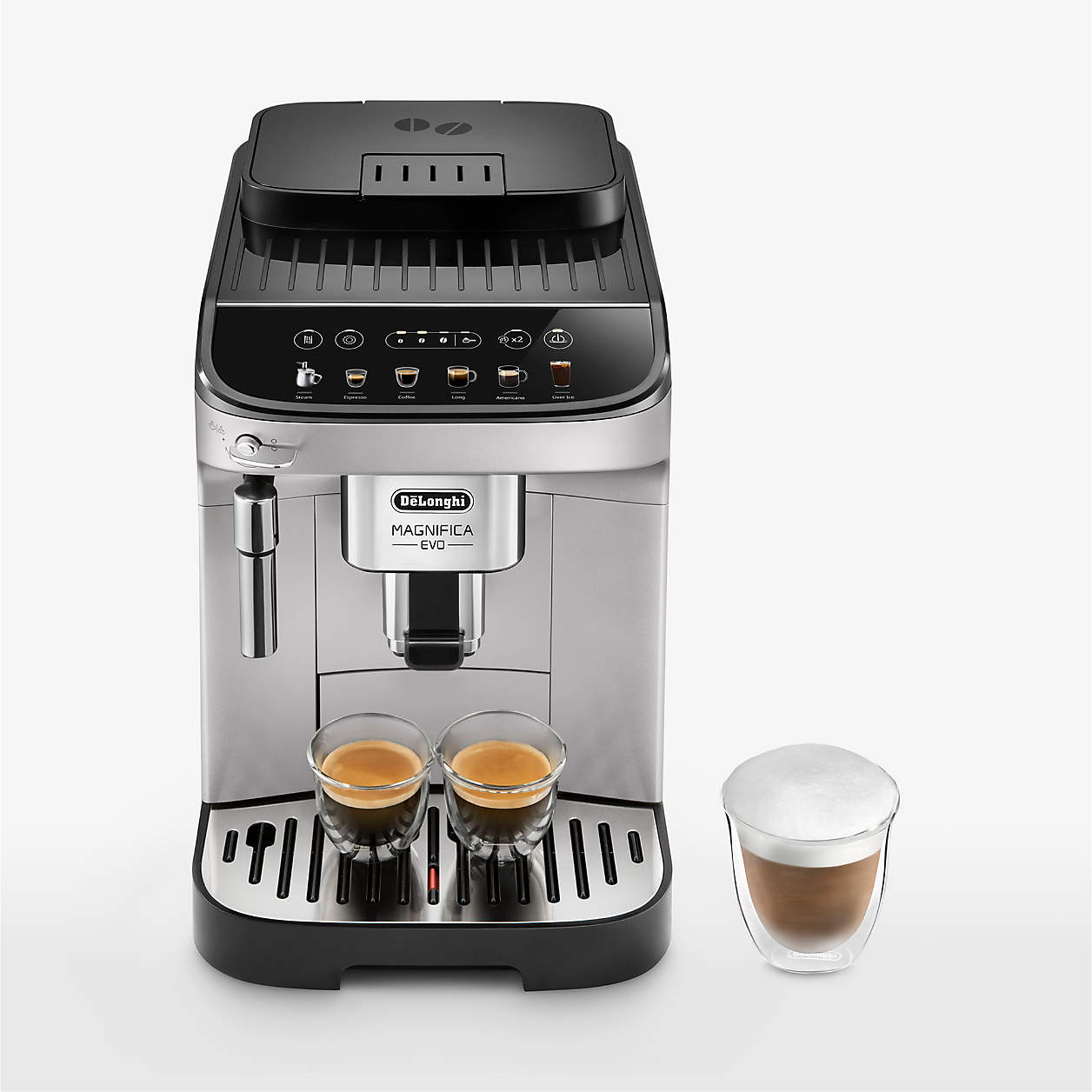
Learning how to use DeLonghi espresso machine means understanding how to brew espresso shots and, if your model supports it, steam milk or prepare drinks with a built-in automatic milk system.
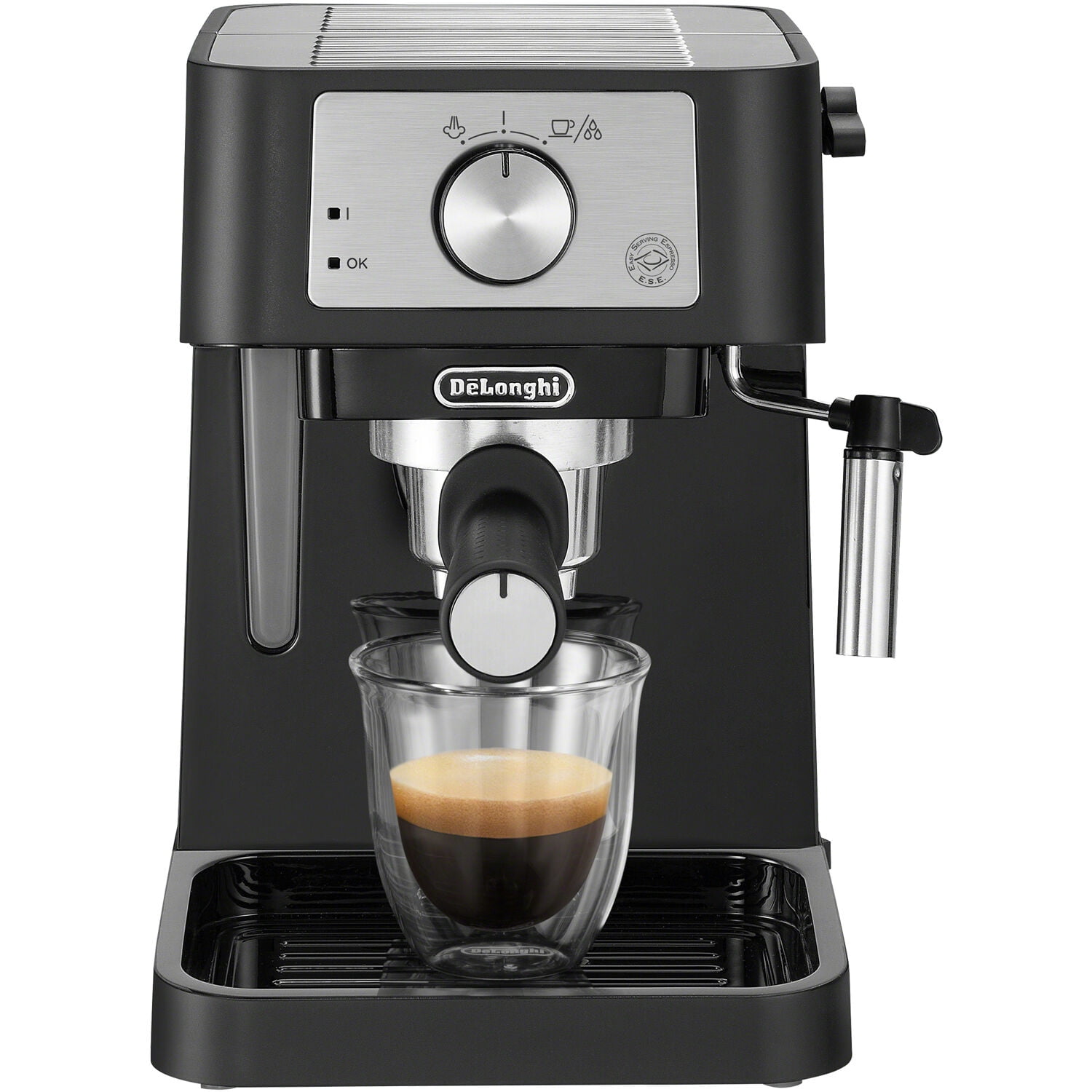
DeLonghi makes several types of home espresso machines. Some feature a removable portafilter and a manual steam wand, while others are bean-to-cup automatics with built-in grinders and milk systems. Before brewing, identify the main parts: the water tank, portafilter or brew unit, steam wand or milk carafe, drip tray, and control panel.
Also, check whether your machine uses a pressurized or non-pressurized portafilter. This affects the coffee grind size and dose needed for good results. Always follow your specific model’s instructions for the best brewing experience.

Prerequisites — what you need before you start
Answer: Gather the right supplies and check the machine.
- Read your machine’s manual for model-specific notes and warranty info.
- Power: plug into a grounded 120V outlet (U.S. homes).
- Water: use filtered or low-hardness water if possible. Hard water increases scaling.
- Coffee: fresh whole beans or espresso-ground coffee.
- Grinder: a burr grinder is best. If your DeLonghi has a built-in grinder, check grind settings.
- Tools: a tamper that fits the portafilter, a small kitchen scale, and a milk pitcher if you steam milk.
- Safety: keep children away. Steam and hot water can burn.
Signs you’re ready: the machine shows “ready” or steam light is steady and the group head feels hot. If your model needs time to heat, allow 10–20 minutes for full stability.

Step-by-step: make espresso and milk drinks
Answer: Follow these steps in order. Each has simple checks to spot problems.
1. Preheat and prime
- Turn on the machine. Wait until lights indicate it’s ready.
- Flush a small cup of water through the group head or run a short pump cycle into the cup to warm the system.
- Purge the steam wand briefly to remove condensation.
2. Grind, dose, and distribute
- Grind fresh beans just before brewing.
- Dose: aim for about 7–9 g for a single shot and 14–18 g for a double shot. Use a scale for accuracy.
- Grind size: fine. If extraction is too fast, grind finer. If too slow or blocked, grind coarser.
- Distribute coffee evenly in the basket to avoid channeling.
3. Tamp
- Use firm, even pressure. Aim for about 20–30 pounds of pressure (9–14 kg) with a level surface.
- Wipe excess grounds from the portafilter rim.
4. Lock the portafilter and extract
- Lock the portafilter into the group head.
- Start extraction immediately, or use the machine’s shot button if it has one.
- Target time: about 25–30 seconds for a balanced shot. Aim for 1–2 oz (30–60 ml) per shot, depending on dose and taste.
- Adjust grind and dose if the shot is too slow (over-extracted) or too fast (under-extracted).
5. Steam milk (for lattes/cappuccinos)
- Fill the pitcher with cold milk to just below the spout rim.
- Purge the steam wand for a second.
- submerge the wand tip slightly below the milk surface and introduce air for a few seconds if you need microfoam.
- Then lower the pitcher to heat milk to 140–150°F (60–65°C). Use a thermometer if unsure.
- Wipe and purge the wand immediately after steaming.
6. Combine and serve
- Pour espresso into the cup.
- Add steamed milk or auto-milk output per your recipe.
- Rinse portafilter and wipe the group head.
Signs of success: rich crema, balanced taste (not overly bitter or sour), and smooth, velvety milk texture for milk drinks.
Variables, examples, and a quick decision table
Answer: Adjust these variables to tune flavor and equipment choices.
Key variables:
- Grind size: finer = slower extraction; coarser = faster.
- Dose: more coffee = stronger shot and longer extraction.
- Tamping: uneven tamp = channeling.
- Water temp: ideal range ~195–205°F (90–96°C). Check your model manual.
- Brew time and yield: aim 25–30 seconds; adjust yield for taste.
Quick decision table (pick one row that matches your goal):
| Goal | Grind | Dose | Target time | Action if off |
|---|---|---|---|---|
| Strong, short | Fine | 14–18 g | 20–25 s | Grind coarser or reduce dose if bitter |
| Balanced classic | Fine–medium | 14–18 g | 25–30 s | Adjust grind slightly |
| Quick weak shot | Medium | 7–9 g | <20 s | Grind finer or increase dose |
Examples:
- If shots pour too fast and taste sour: grind finer or increase dose.
- If shots pour too slowly and taste bitter: grind coarser or reduce dose.
- If crema is light but taste OK: try fresher beans or a different roast.
Note: Some DeLonghi models use pressurized baskets. They mask grind/dose issues. If your portafilter is pressurized, you will still benefit from correct grind and tamp, but use the manufacturer’s guidance for basket type.

Troubleshooting — symptoms, likely causes, and ordered checks
Answer: Narrow the problem quickly by symptom and the easiest checks first.
Symptom: Shot is thin, watery, weak
- Likely causes: underdose, grind too coarse, tamp too light, machine not up to temperature.
- Checks: weigh dose, grind finer, tamp firmly, preheat longer.
Symptom: Shot is bitter or burnt
- Likely causes: grind too fine, over-extracted, water too hot, stale burnt beans.
- Checks: grind coarser, shorten extraction time, use fresher beans, check temp if adjustable.
Symptom: No steam or weak steam
- Likely causes: low water level, pressure not built, closed steam valve, calcification.
- Checks: refill water tank, allow full heat-up, open steam valve, descale if needed.
Symptom: Steam wand sputters or spits
- Likely causes: clogged tip or condensation in the wand.
- Checks: purge wand, soak tip in warm water, use pin to clear holes, descale if scale suspected.
Symptom: Machine leaks from group head or portafilter
- Likely causes: dirty or worn gasket, portafilter not locked, overfilling basket.
- Checks: clean group head, ensure portafilter lock, inspect gasket for wear.
Symptom: Buttons or display error
- Likely causes: user lockout, descaling reminder, electrical fault.
- Checks: consult manual for error code meaning, power-cycle the machine, contact support if persistent.
Safety-ordered checks: always turn off and unplug before inspecting internal parts or if water contacts electronics. For heating element, pressure, or internal repair, contact a qualified service center.

Cleaning and maintenance schedule
Answer: Clean daily, inspect weekly, and descale regularly.
Daily
- Rinse portafilter and basket.
- Empty drip tray and grounds.
- Wipe and purge steam wand after each use.
Weekly
- Remove and rinse the water tank.
- Backflush with water if your model supports backflushing (use only approved detergent and follow manual).
- Clean removable drip tray and shower screen area.
Monthly (or per water hardness)
- Descale using a DeLonghi-approved descaler or as recommended in your manual. Hard-water homes may need more frequent descaling.
- Replace water filters if your machine uses them.
Notes and safety
- Do not immerse the machine base in water.
- Use only recommended cleaning products for backflushing and descaling.
- Replace group head gaskets and valves when leaks or poor seals appear. Qualified service may be needed for replacements.
Common mistakes, limitations, and safety boundaries
Answer: Avoid simple errors and know when to call a professional.
Common mistakes
- Using pre-ground coffee that is too coarse or stale.
- Skipping preheat or not purging the steam wand.
- Ignoring descaling; scale can block boiler and steam paths.
- Overpacking the basket so water can’t pass.
Limitations
- Home machines have small boilers; continuous long steam sessions can overheat units.
- Built-in grinders may be less consistent than standalone high-end grinders.
- Pressurized baskets reduce the need for perfect grind but limit control over taste.
Safety boundaries
- Do not open the machine while plugged in.
- Steam causes severe burns. Always purge and handle the wand with a towel if needed.
- For electrical faults or internal leaks, unplug and contact service. Do not attempt advanced repairs unless qualified.

Next steps and recommended quick actions
Answer: Start with one espresso, tune one variable at a time, and keep a short log.
- Make one shot using a standard baseline: 14 g dose, fine grind, 25–30 s extraction.
- Taste and adjust grind by one click at a time or change dose by 1–2 g.
- Keep notes: dose, grind setting, yield, time, taste.
- If you use milk, practice steaming small pitchers and aim for smooth microfoam.
If you hit persistent problems after these steps, check the user manual and then contact DeLonghi support or an authorized repair center. For safety-critical repairs, do not DIY.

Research note and limitations
Answer: I did not perform live testing of a specific DeLonghi model while writing this guide. This article synthesizes common, manufacturer-consistent best practices and widely accepted espresso technique. For model-specific details (temperature settings, descaling cycles, backflushing support) consult your DeLonghi manual or the official DeLonghi support site.

Frequently Asked Questions (5 useful ones)
Q1: Do I need a burr grinder for DeLonghi machines?
A1: A burr grinder gives more consistent particle size than a blade grinder. It improves extraction control. If your DeLonghi has a built-in burr grinder, use that and adjust settings. If not, a quality external burr grinder is worth the investment.
Q2: How often should I descale in the U.S.?
A2: Descale frequency depends on local water hardness and usage. For hard U.S. water, descaling every 1–2 months is common. For soft or filtered water, every 3–6 months may be fine. Follow your manual’s guidance.
Q3: Can I use pre-ground coffee?
A3: Yes, but fresh whole beans ground just before brewing give better crema and flavor. If you use pre-ground, select espresso grind and store it airtight to keep it fresh.
Q4: What type of milk works best for frothing?
A4: Whole milk froths easiest and yields stable microfoam. Low-fat and non-dairy milks can froth but may require technique adjustment. Heat to 140–150°F (60–65°C) and avoid overheating.
Q5: My machine has a warning light. What should I do?
A5: Check the manual for the specific error code or light pattern. Common fixes are refilling water, descaling, or resetting the machine. If the light persists after simple steps, contact DeLonghi support.
Key takeaways
- Read your model’s manual first. It matters for safety and correct settings.
- Use fresh beans, a good grinder, proper dose, and firm tamping.
- Preheat, time your shot, and steam milk to 140–150°F for best results.
- Clean daily and descale per your water hardness.
- When in doubt about leaks, electrical faults, or complex repairs, contact qualified service.
If you want, tell me your exact DeLonghi model and your main problem (weak shots, no steam, strange taste). I can give a focused checklist for that model.