
Both excel: Cuisinart brings power and value; KitchenAid wins accessories and polish.
You want a stand mixer that won’t choke on dough or splatter batter. I’ve tested both the Cuisinart and the KitchenAid in my home kitchen, swapping them in for weekly bakes and holiday marathons. In a nutshell, both are excellent, but the cuisinart vs kitchenaid stand mixer debate comes down to power, stability, and accessories. I’ll share what worked, what didn’t, and who each suits best so you can pick with confidence.
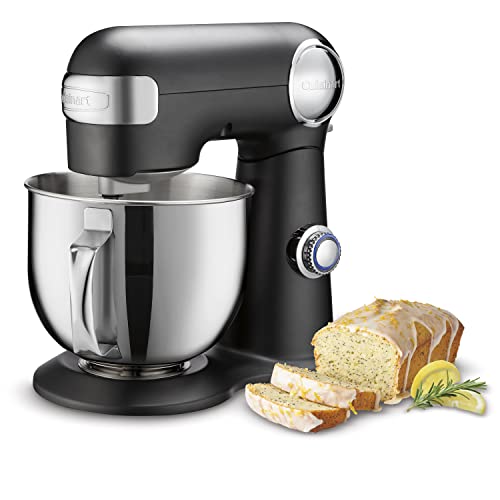
Cuisinart Stand Mixer, 12 Speed,…
5.5-quart capacity, polished stainless steel 500 500-watt motor Die-cast metal construction 12 speeds for precision mixing Tilt-back head

KitchenAid Artisan Series 5 Quart…
Fabric Type: Zinc, Stainless Steel
Is Cuisinart stand mixer Good?
Yes—for most home cooks and value seekers. The Cuisinart stand mixer shines with strong power, a roomy bowl, and a friendly price. It handles bread dough, big cookie batches, and whipped cream with ease. If you want a capable machine without paying a brand premium, it fits the bill. It’s also a great first “serious” mixer if you bake often but not daily.In my tests, it handled a double batch of oatmeal cookies without straining. The splash guard saved me from flour storms. On pizza night, it kneaded a medium dough ball and kept pace. I did notice a little bounce on very heavy dough, but it never stalled. The 12 speeds made fine control simple, especially when creaming butter and sugar.
Cuisinart Stand Mixer, 12 Speed, 5.5 Quart Stainless Steel Bowl, Chef’s Whisk, Mixing Paddle, Dough Hook, Splash Guard w/ Pour Spout, Poppy Seed, SM-50PSNAS
What Makes It Stand Out / Key Features
- 5.5-quart stainless-steel bowl for bigger batches
- 12 speeds for fine control from fold to whip
- Tilt-back head with planetary mixing action
- Includes whisk, flat beater, dough hook, and splash guard
- Front power port for optional attachments (pasta, grinder, more)
What I Like
- Plenty of power for bread and dense batters
- Great value for the capacity and features
- Splash guard keeps the counter clean
- Smooth speed ramp-up reduces mess
- Easy tilt-head access for scraping and swapping tools
What Could Be Better
- Can wobble a bit on very heavy dough
- Attachment ecosystem is good, but not as vast as KitchenAid’s
- Finish and knobs feel less premium than high-end rivals
My Recommendation
If you want power, capacity, and a fair price, start here. It’s ideal for weekly bakers and families.| Best For | Why |
|---|---|
| Value-focused home bakers | Strong performance without the premium price |
| Big batch cookies and cakes | Roomy 5.5-quart bowl and steady power |
| Occasional bread makers | Handles medium doughs well |
Is KitchenAid stand mixer Good?
Yes—especially if you want the smoothest experience and the broadest attachments. The KitchenAid stand mixer is stable, refined, and proven. It handles daily baking like a champ and has a deep accessory world for pasta, grinding, and more. If you prize polish and expandability, it’s worth it.I used it to whip Swiss meringue buttercream to silky peaks with zero fuss. It also creamed butter like a dream and kept a steady pace on a batch of sandwich bread. The heavier build kept it rooted to the counter. The speed transitions felt very smooth, and the fit-and-finish gave me that “this will last” vibe.
KitchenAid Artisan Series 5 Quart Tilt Head Stand Mixer with Pouring Shield KSM150PS, Onyx Black
What Makes It Stand Out / Key Features
- 5-quart stainless-steel bowl with handle
- 10 speeds with smooth transitions
- Tilt-head, planetary mixing, metal body
- Includes flat beater, dough hook, wire whip, pouring shield
- Legendary hub with a huge attachment ecosystem
What I Like
- Rock-solid stability for daily use
- Refined controls and very even mixing
- Vast selection of first- and third-party attachments
- Premium fit-and-finish and color choices
- Great resale value and long-term community support
What Could Be Better
- Costs more than rivals with similar capacity
- Less raw motor wattage than some competitors
- Whip is usually hand-wash only
My Recommendation
Choose this if you bake often and want the best stability, polish, and accessories.| Best For | Why |
|---|---|
| Frequent bakers | Consistent results and smooth controls |
| Attachment lovers | Huge ecosystem for pasta, grinding, and more |
| Gift or long-term buy | Premium build and strong community support |
cuisinart vs kitchenaid stand mixer: Side-by-Side Test
I ran a week of bakes on both: cookies, cake, buttercream, and medium bread dough. Below is how the cuisinart vs kitchenaid stand mixer matchup played out in real use, not just specs.Power & Capacity: Which Works Harder?
Both handle everyday baking. Power and bowl size shape batch size and dough strength.| Feature | Cuisinart | KitchenAid |
|---|---|---|
| Motor feel | Strong pull at low speeds | Smooth, steady under load |
| Speeds | 12 steps | 10 steps |
| Bowl size | 5.5 quarts | 5 quarts |
| Dough handling | Great for medium doughs | Very stable for frequent baking |
Cuisinart edges it on raw capacity and punch, but KitchenAid stays calmer under strain.
Mixing Performance: Consistency and Texture
Creaming, whipping, and even scraping matter for day-to-day results.| Feature | Cuisinart | KitchenAid |
|---|---|---|
| Creaming butter | Fast and fluffy | Even and silky |
| Whipping | Quick volume | Fine, stable peaks |
| Low-speed control | Good | Excellent |
| Scrape reach | Occasional bowl scrape needed | Rarely misses spots |
KitchenAid wins on finesse and uniformity, which you feel in frosting and meringue.
Attachments & Expandability: How Far Can You Grow?
If you want pasta, grinding, or spiralizing, the ecosystem matters.| Aspect | Cuisinart | KitchenAid |
|---|---|---|
| Official attachments | Solid range | Vast selection |
| Third-party options | Limited | Extensive |
| Availability | Good online | Excellent everywhere |
| Long-term expandability | Good | Outstanding |
KitchenAid dominates with the largest, most proven attachment ecosystem.
Stability & Build Quality: Will It Stay Put?
Weight and design affect walk, wobble, and long-term feel.| Aspect | Cuisinart | KitchenAid |
|---|---|---|
| Weight | Lighter | Heavier |
| Counter stability | Good, slight bounce on heavy dough | Excellent, very planted |
| Body feel | Sturdy | Premium metal heft |
| Longevity feel | Solid | Tank-like |
KitchenAid holds the counter better and feels more premium overall.
Controls & Ease of Use: Which Is Simpler?
Dial feel, head access, and cleanup shape daily use.| Aspect | Cuisinart | KitchenAid |
|---|---|---|
| Speed control | Precise 12-speed dial | Smooth 10-speed dial |
| Tilt-head access | Easy | Easy |
| Splash control | Guard included | Shield included |
| Learning curve | Short | Short |
Both are simple, but KitchenAid’s controls feel a touch more refined.
Noise & Vibration: Sound and Smoothness
You feel this on high speeds and tough doughs.| Aspect | Cuisinart | KitchenAid |
|---|---|---|
| Noise on high | Noticeable | Quieter tone |
| Vibration | Minor on heavy loads | Very low |
| Speed ramp-up | Good | Very smooth |
| Counter walk | Rare | Very rare |
KitchenAid runs smoother and a bit quieter under strain.
Cleaning & Maintenance: After-Bake Reality
Less mess and easy washing keep you baking more.| Aspect | Cuisinart | KitchenAid |
|---|---|---|
| Bowl cleanup | Quick rinse | Quick rinse |
| Tool care | Simple; check manual for dishwasher guidance | Simple; some tools hand-wash |
| Crevices | Few | Few |
| Splash control | Guard helps a lot | Shield helps a lot |
It’s a tie. Both clean up fast with thoughtful shields/guards.
Value for Money: What Do You Get?
Price, performance, and future growth decide value.| Aspect | Cuisinart | KitchenAid |
|---|---|---|
| Price-to-power | Excellent | Good |
| Included tools | Whisk, beater, hook, guard | Whip, beater, hook, shield |
| Attachment growth | Good | Outstanding |
| Long-term value | Strong for price | Strong, great ecosystem |
Cuisinart offers more muscle per dollar; KitchenAid offers more future-proofing.
Final Verdict: Which Should You Buy?
Pick Cuisinart if you want more capacity and power for the price. It’s great for cookies, cakes, and medium bread dough. It’s the value winner in the cuisinart vs kitchenaid stand mixer debate.Choose KitchenAid if you bake often, love stability, and plan to grow with attachments. It delivers smoother mixing and a premium feel. For everyday bakers who want polish and expandability, KitchenAid is the smarter long-term buy.